
LEBEN IM NATIONALPARK PIEDRAS BLANCAS
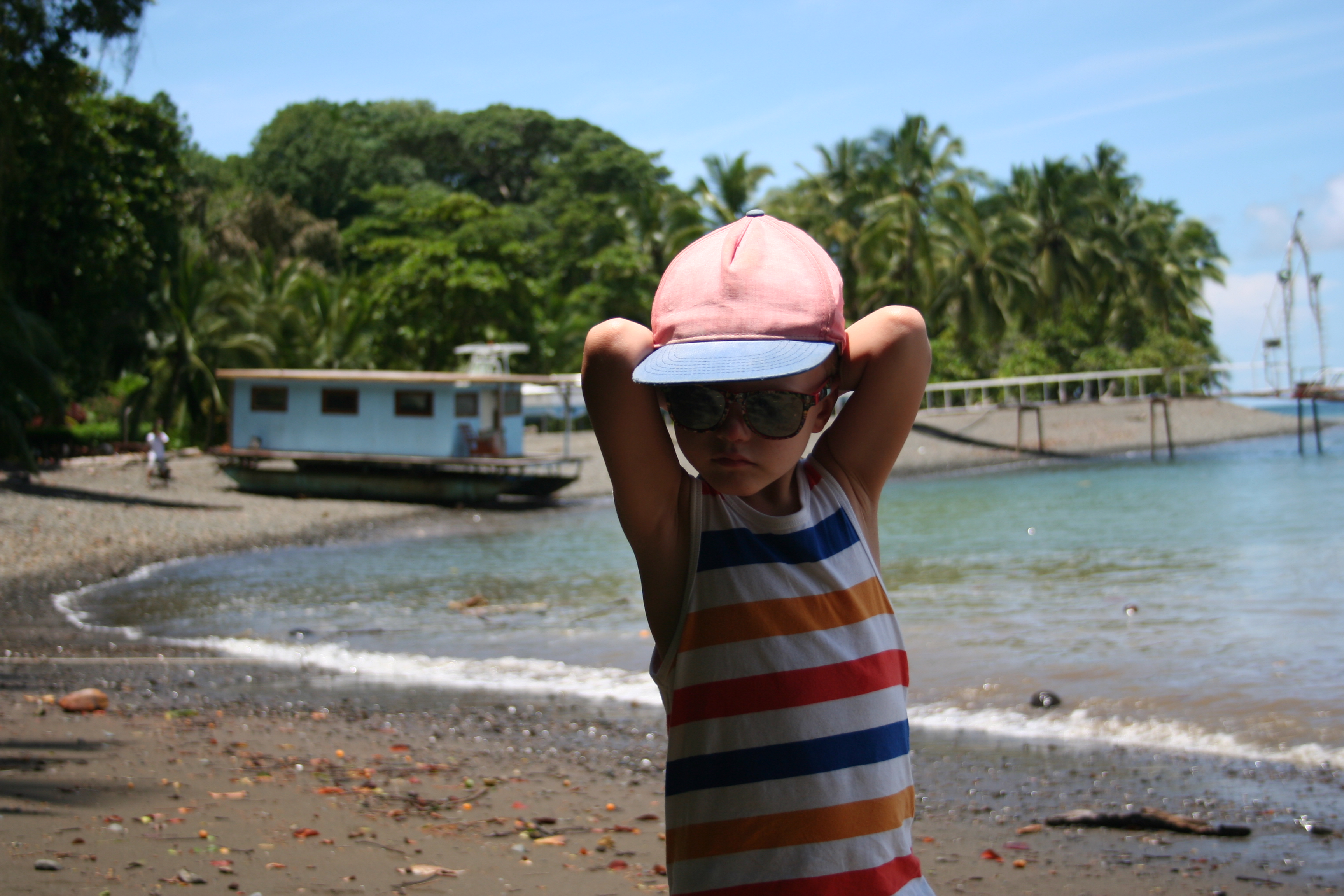
Elias beim Strand im Golfo Dulce
Der Nationalpark ist einer der artenreichsten Orte auf dieser Erde.
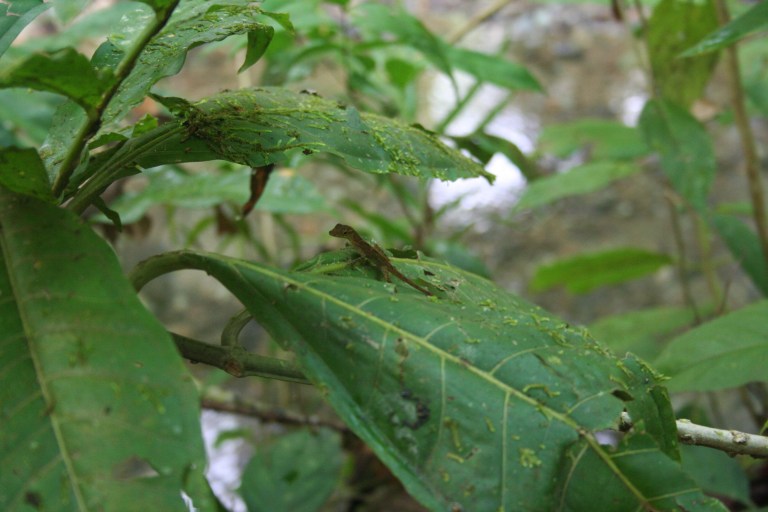
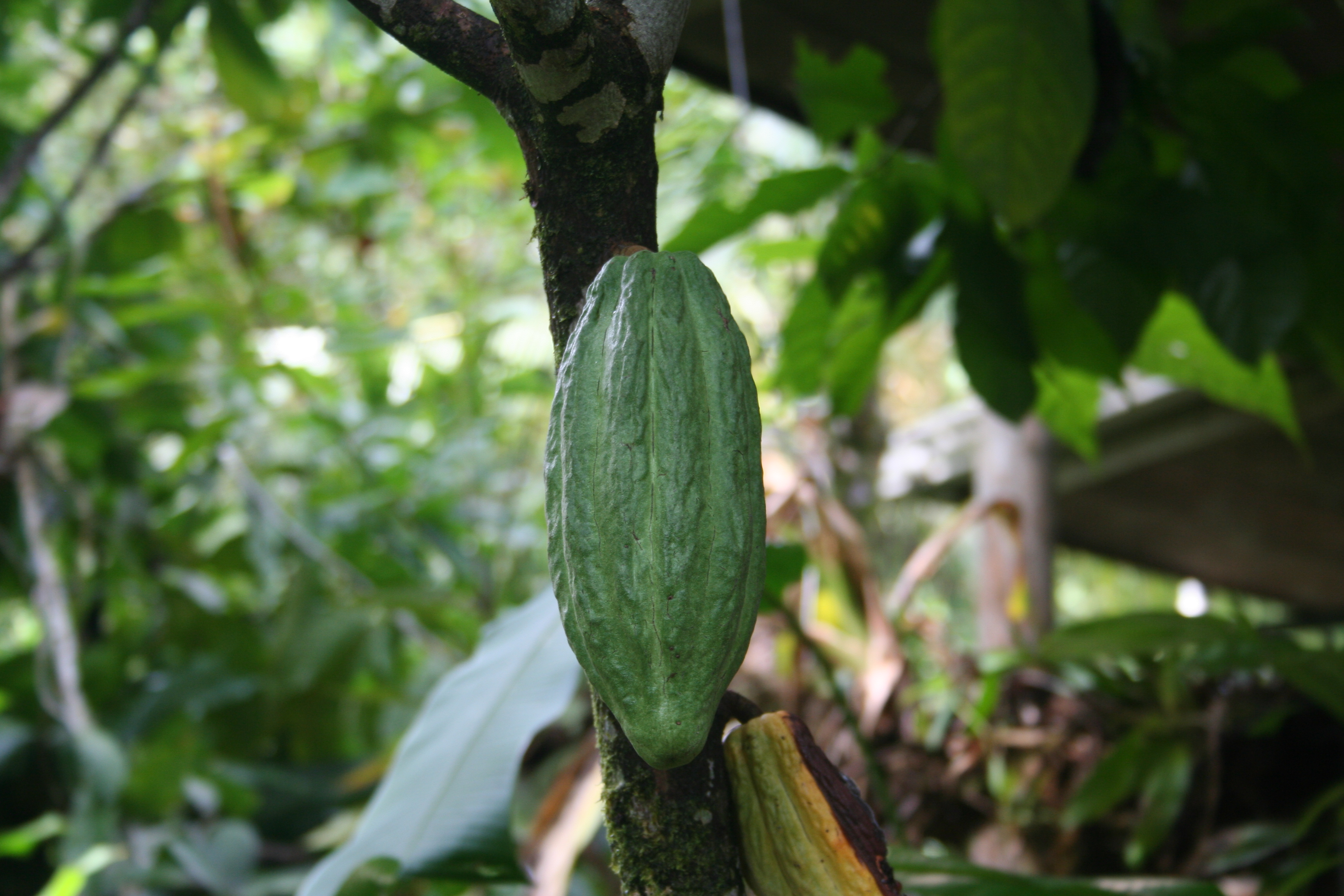
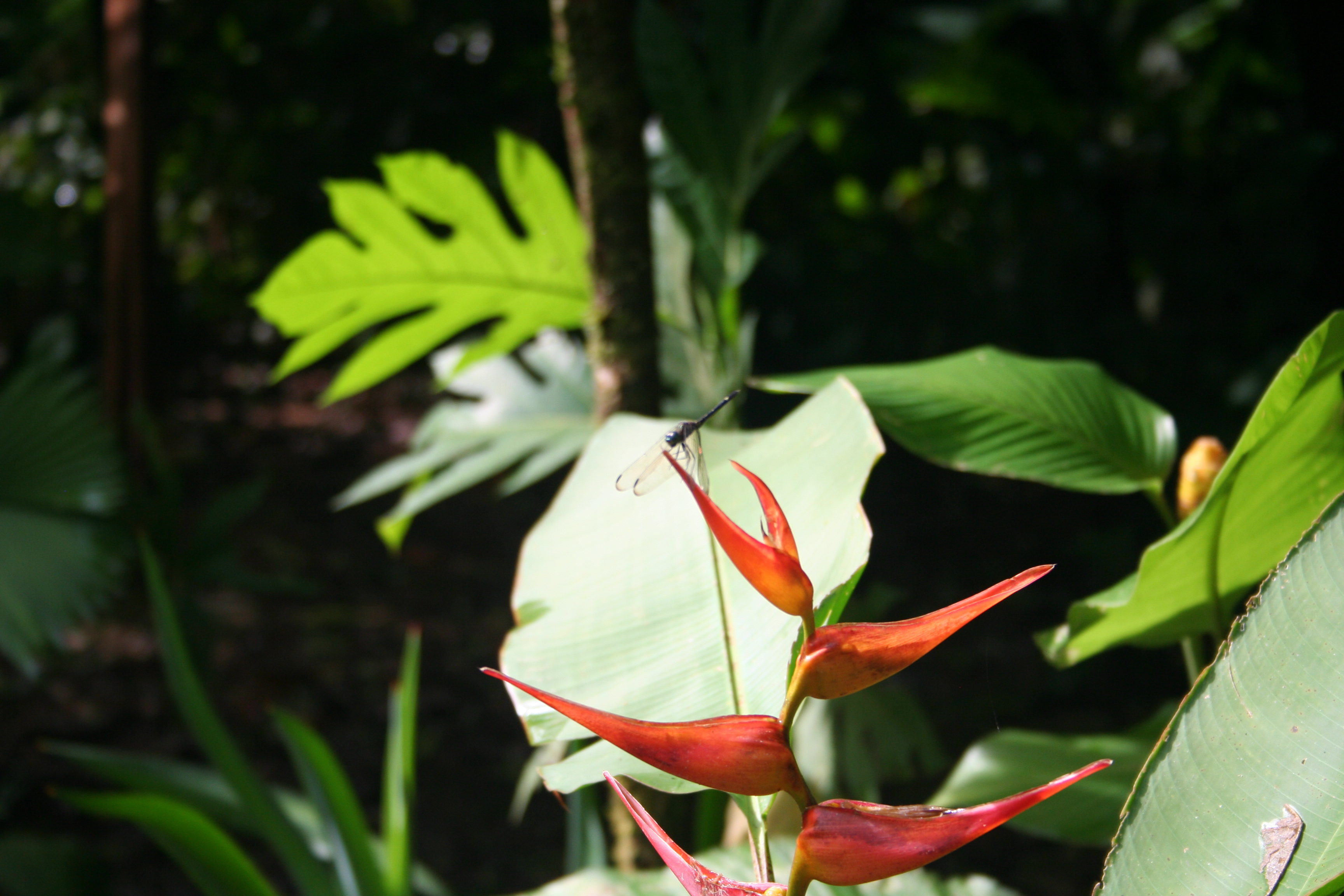
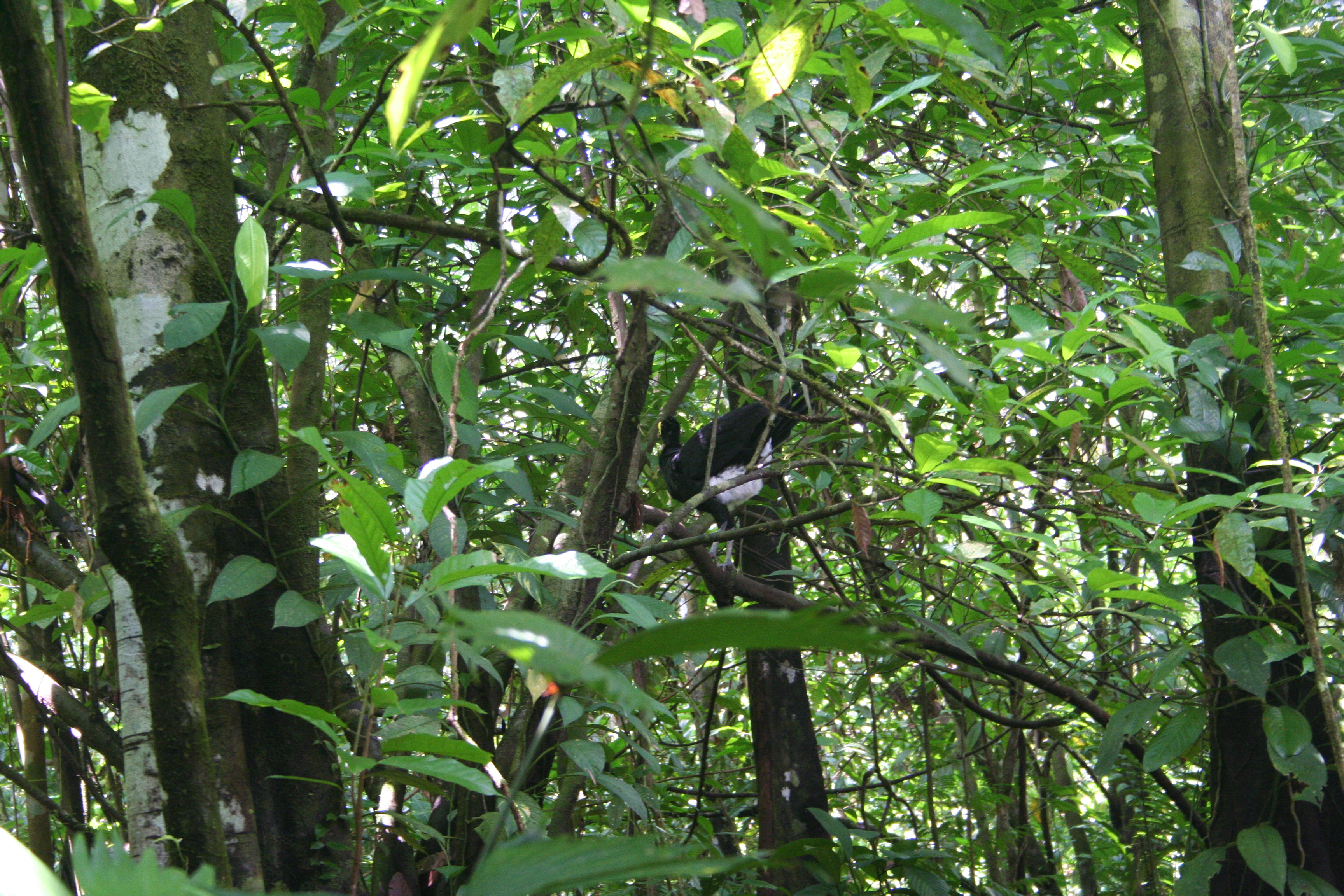
„As one of the remaining stretches of lowland rainforest on the Pacific, Piedras Blancas is also home to a vast array of flora and fauna. According to a study conducted at the biological station at Gamba, the biodiversity of trees in Piedras Blancas is the densest in all of Costa Rica, even surpassing Corcovado. Piedras Blancas is so remote and so little visited, it is the site for several ongoing animal projects, including the re-integration of wild cats like ocelot and margay. Look for all of the wildlife that you might see in Corcovado: all five big cats and all four species of monkeys, herds of collared and white-lipped peccary, crocodiles, various species of poison-dart frogs and more than 330 species of bird.“ (Lonely Planet Reiseführer)


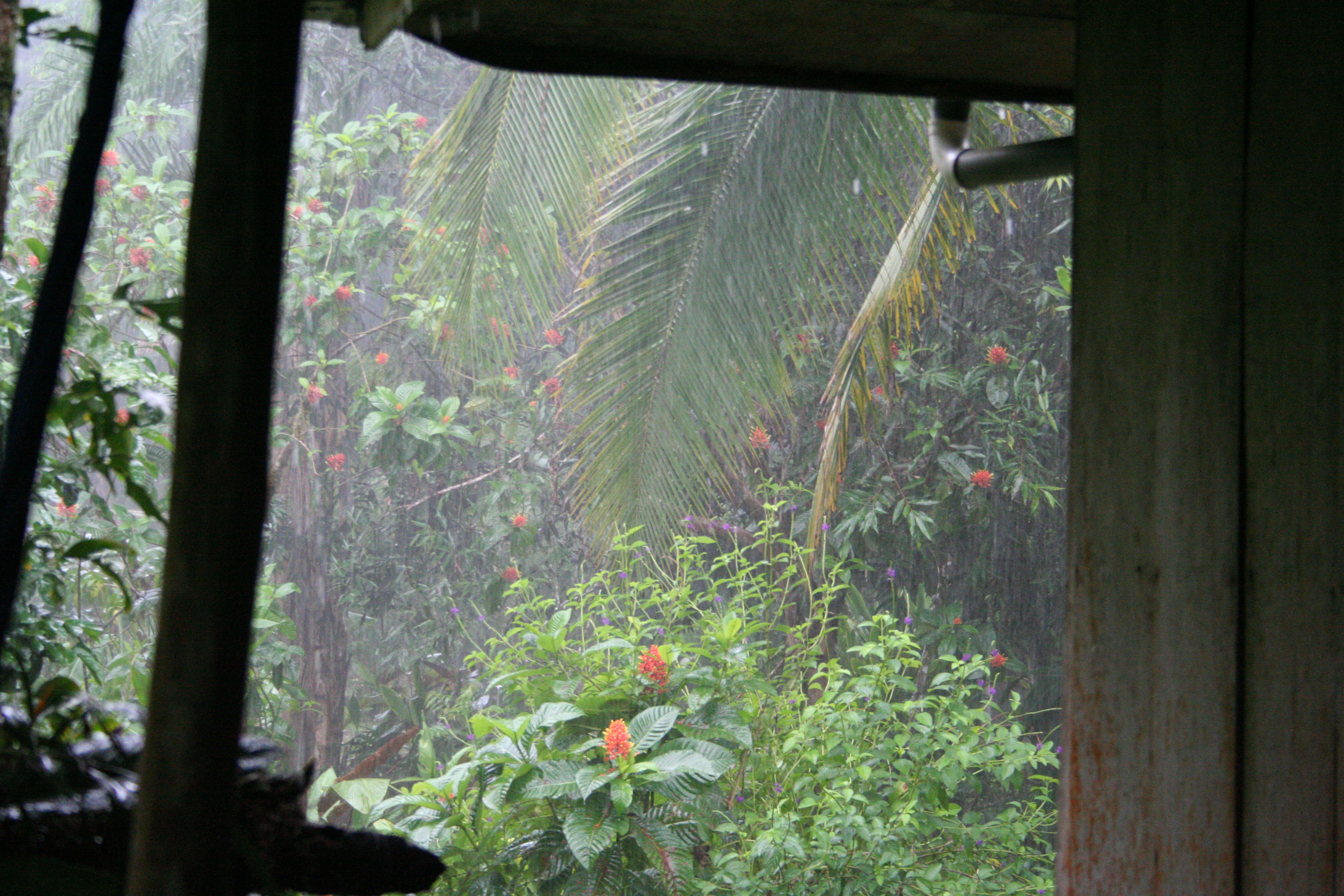
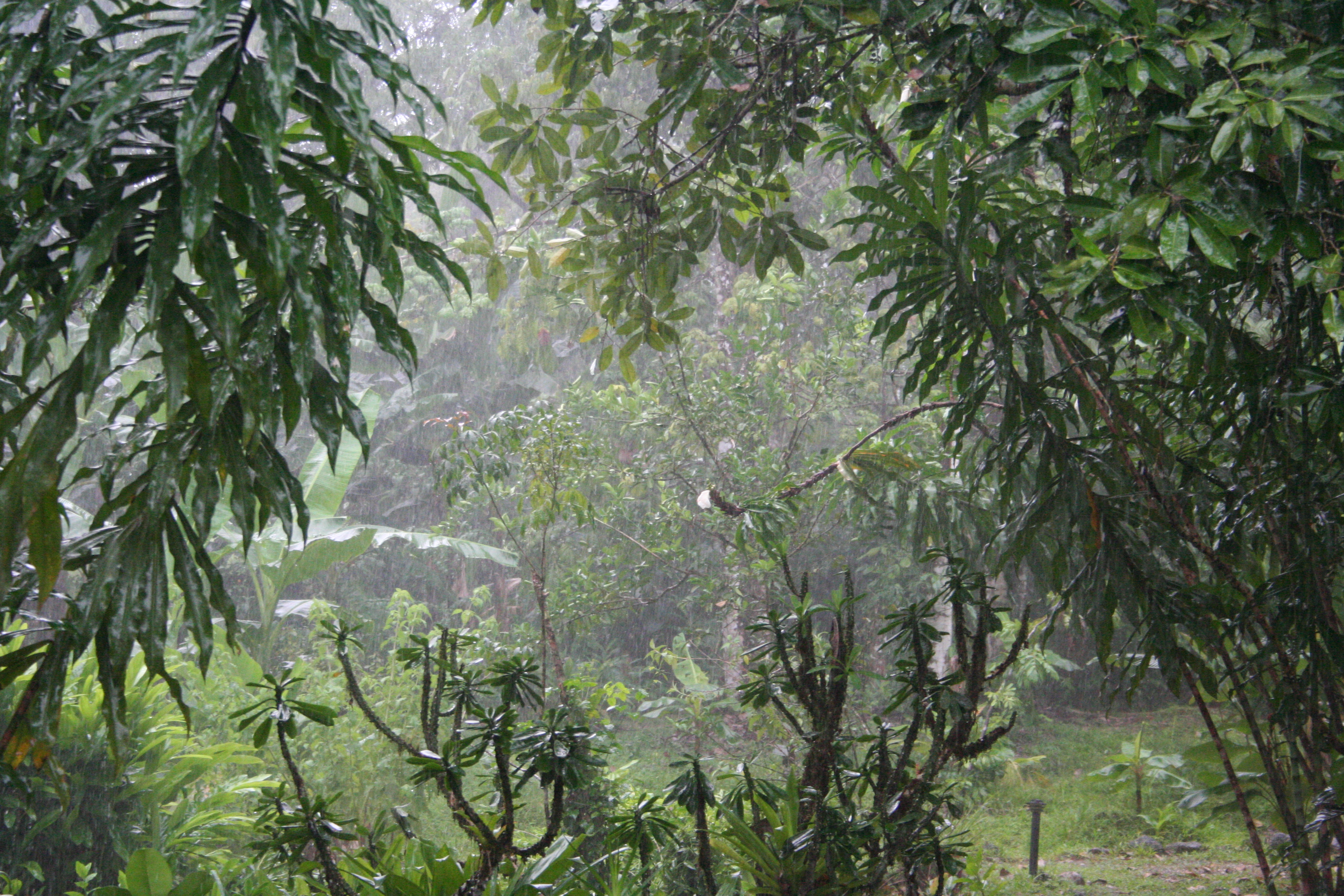
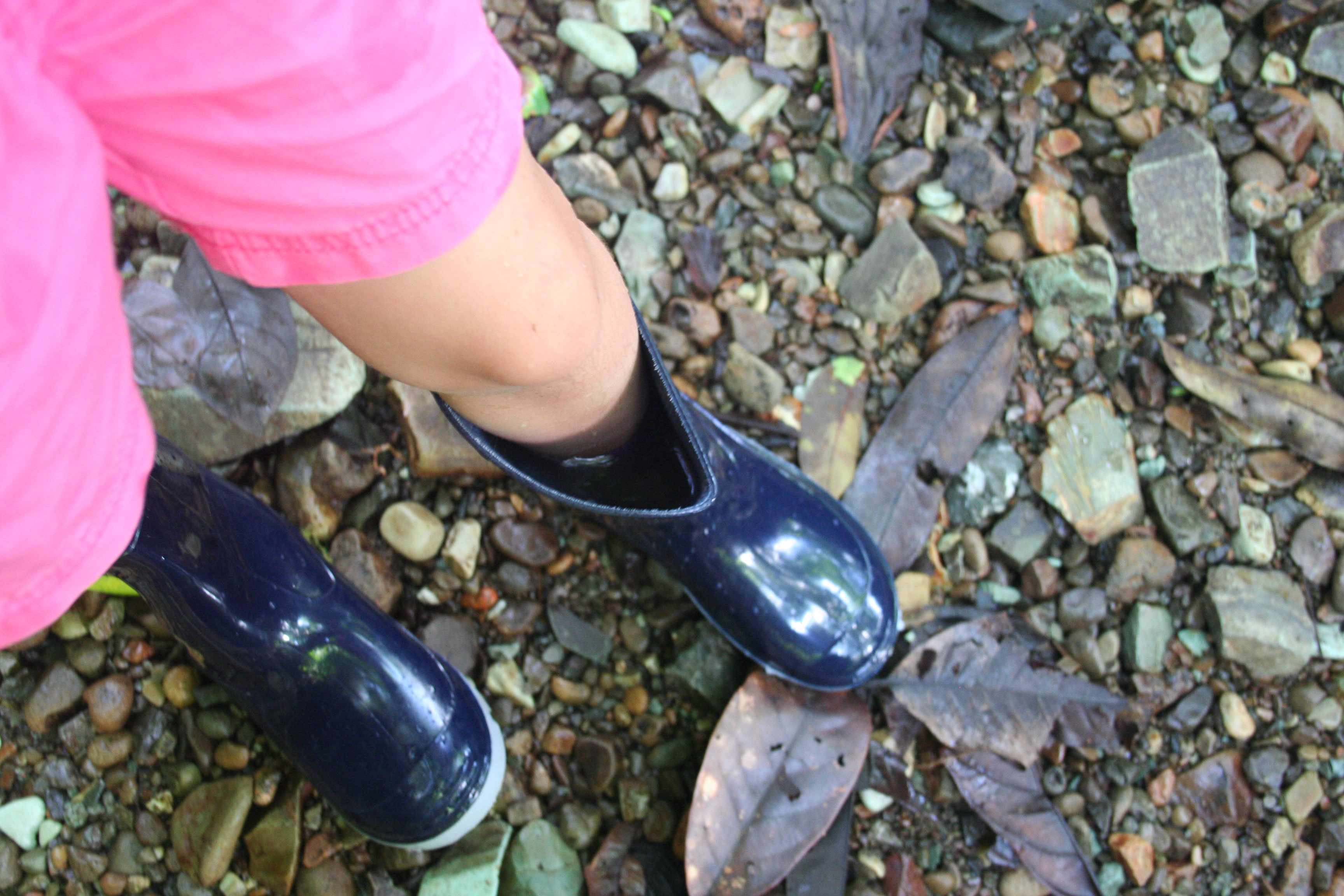
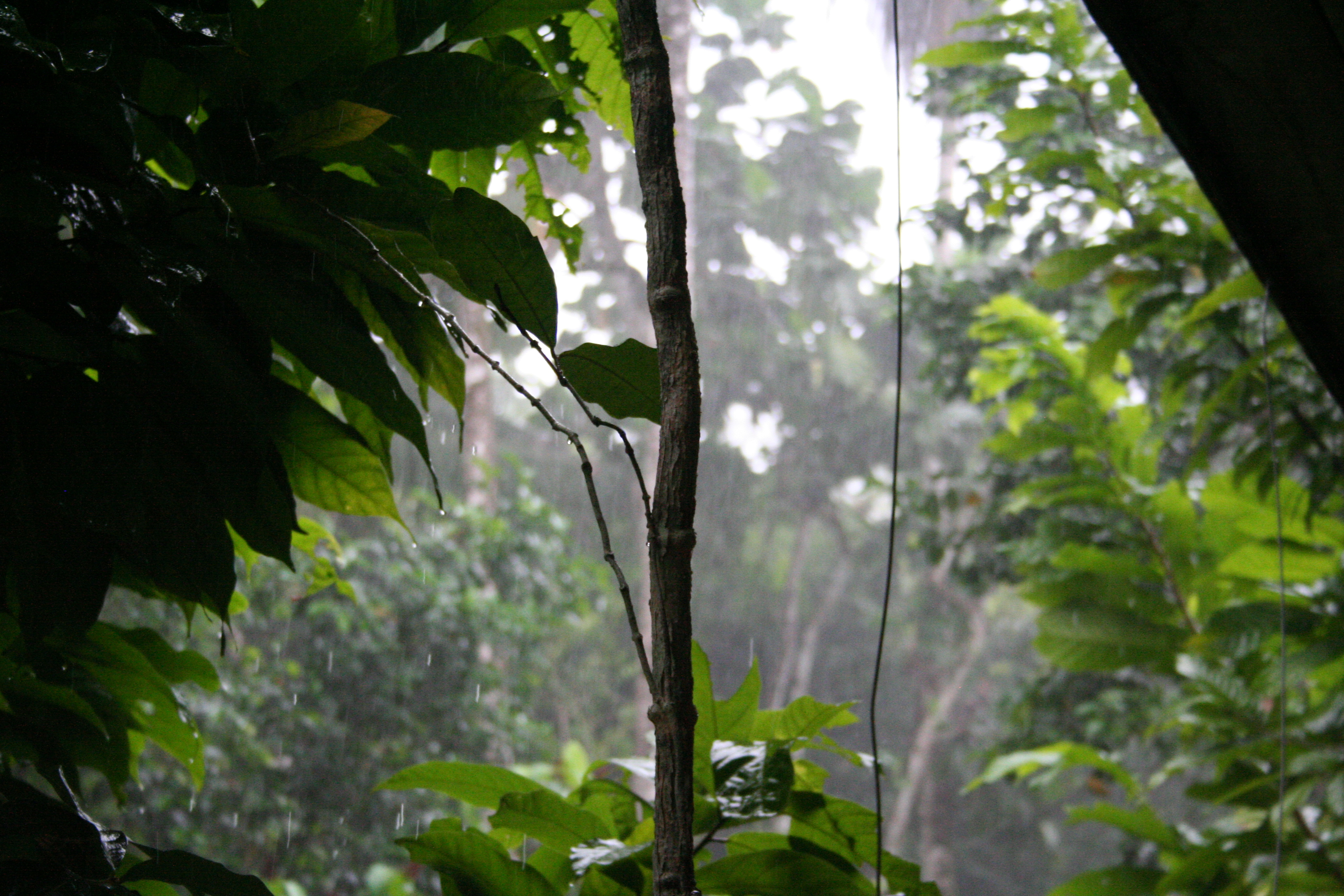
Regenschauer:
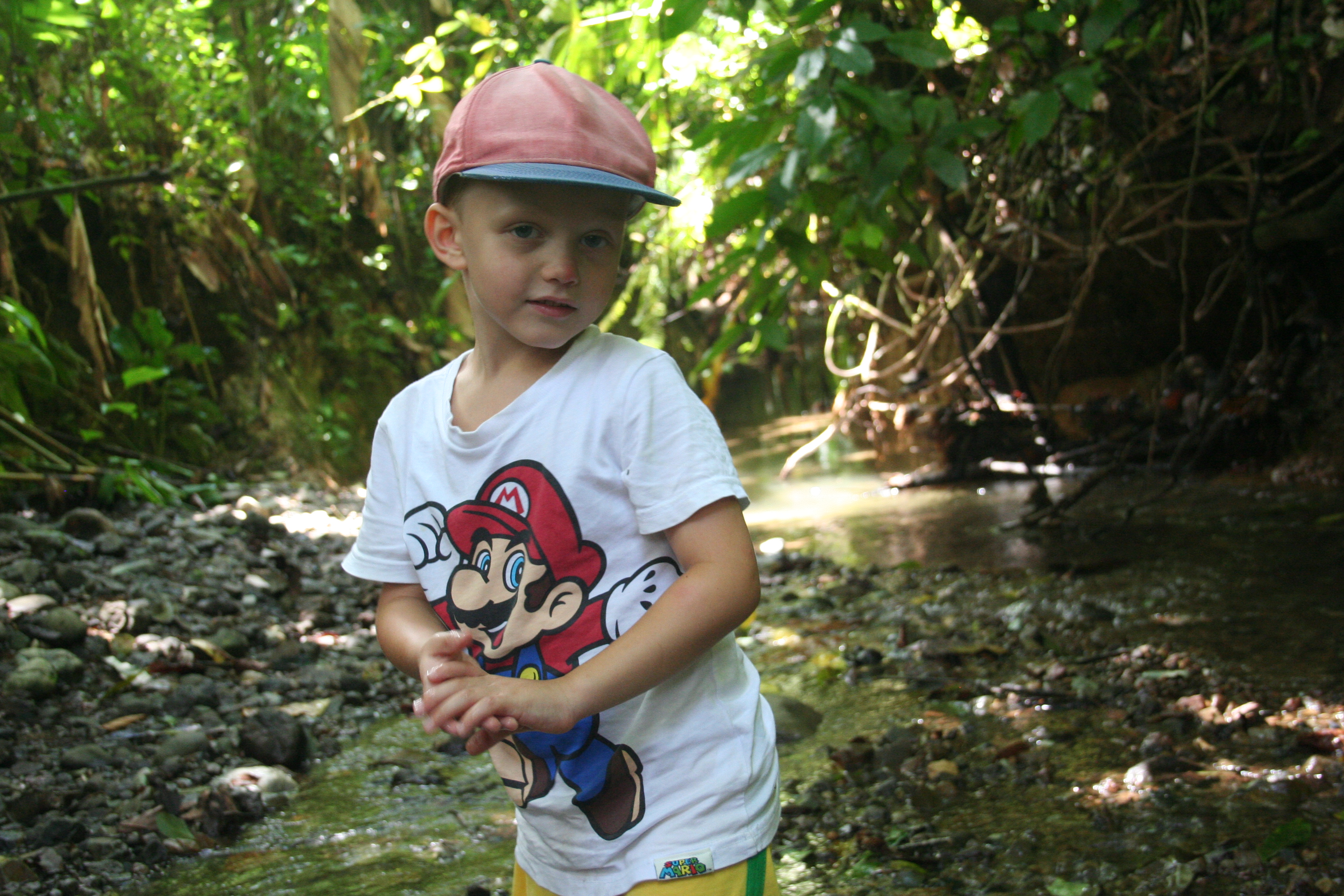
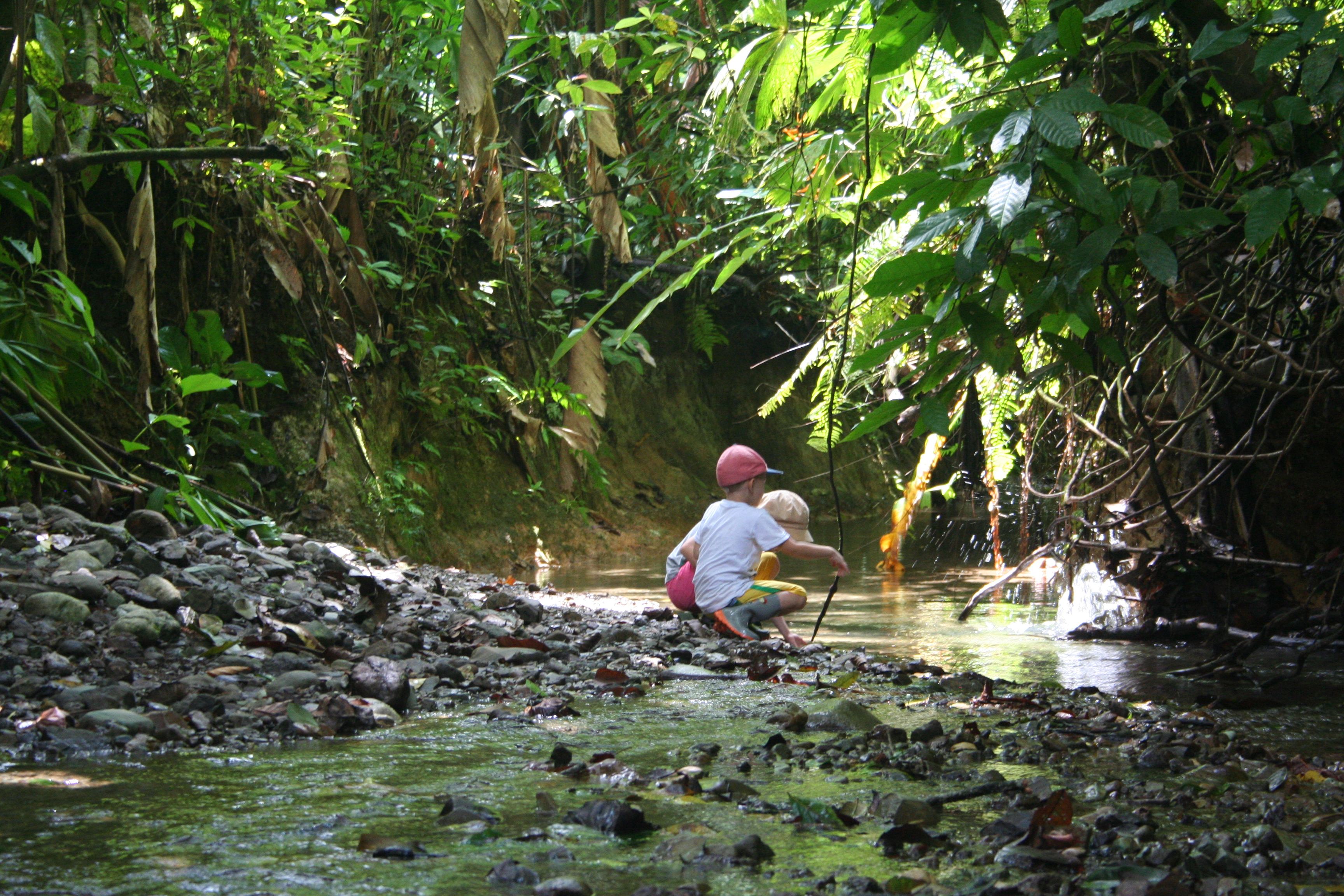
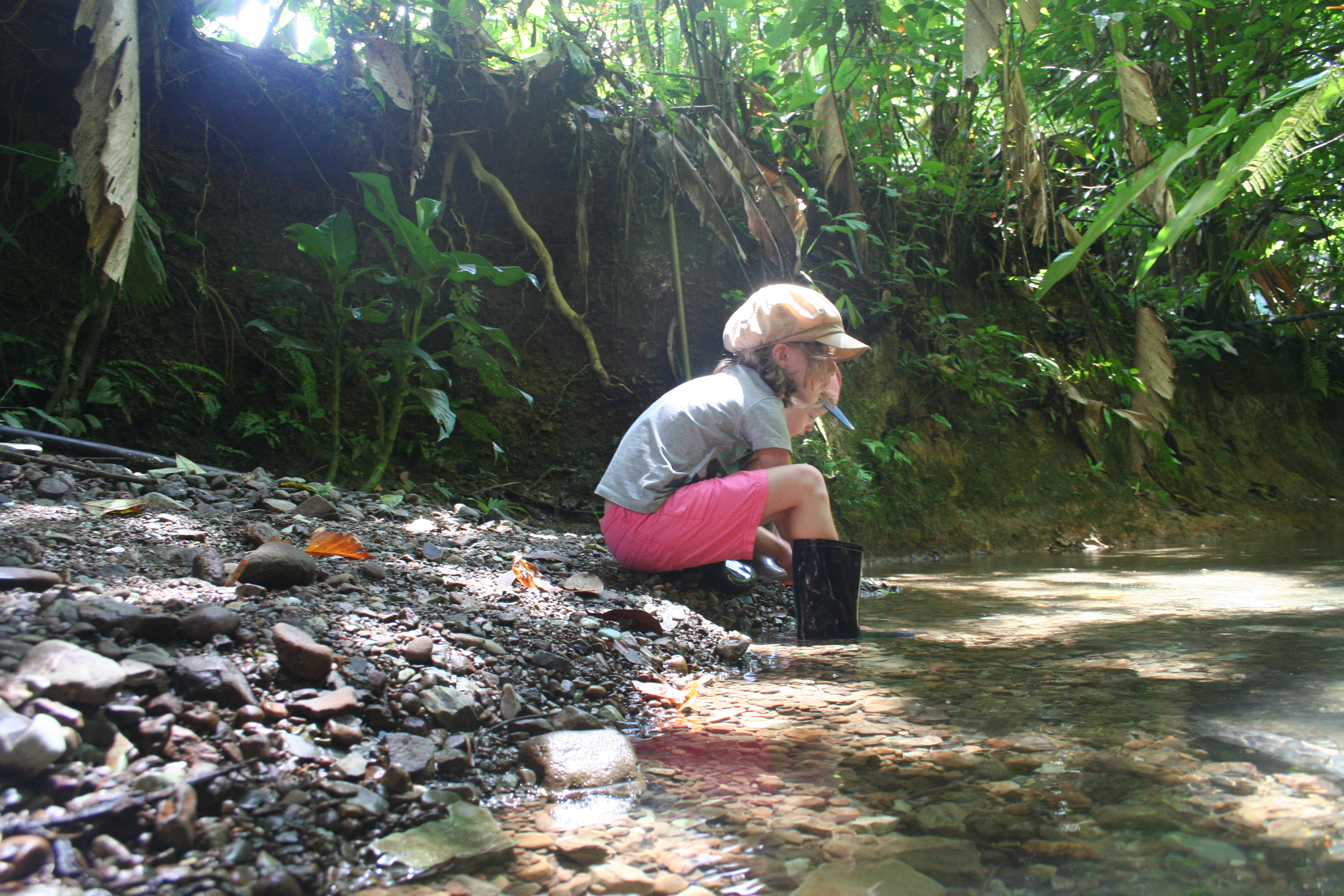
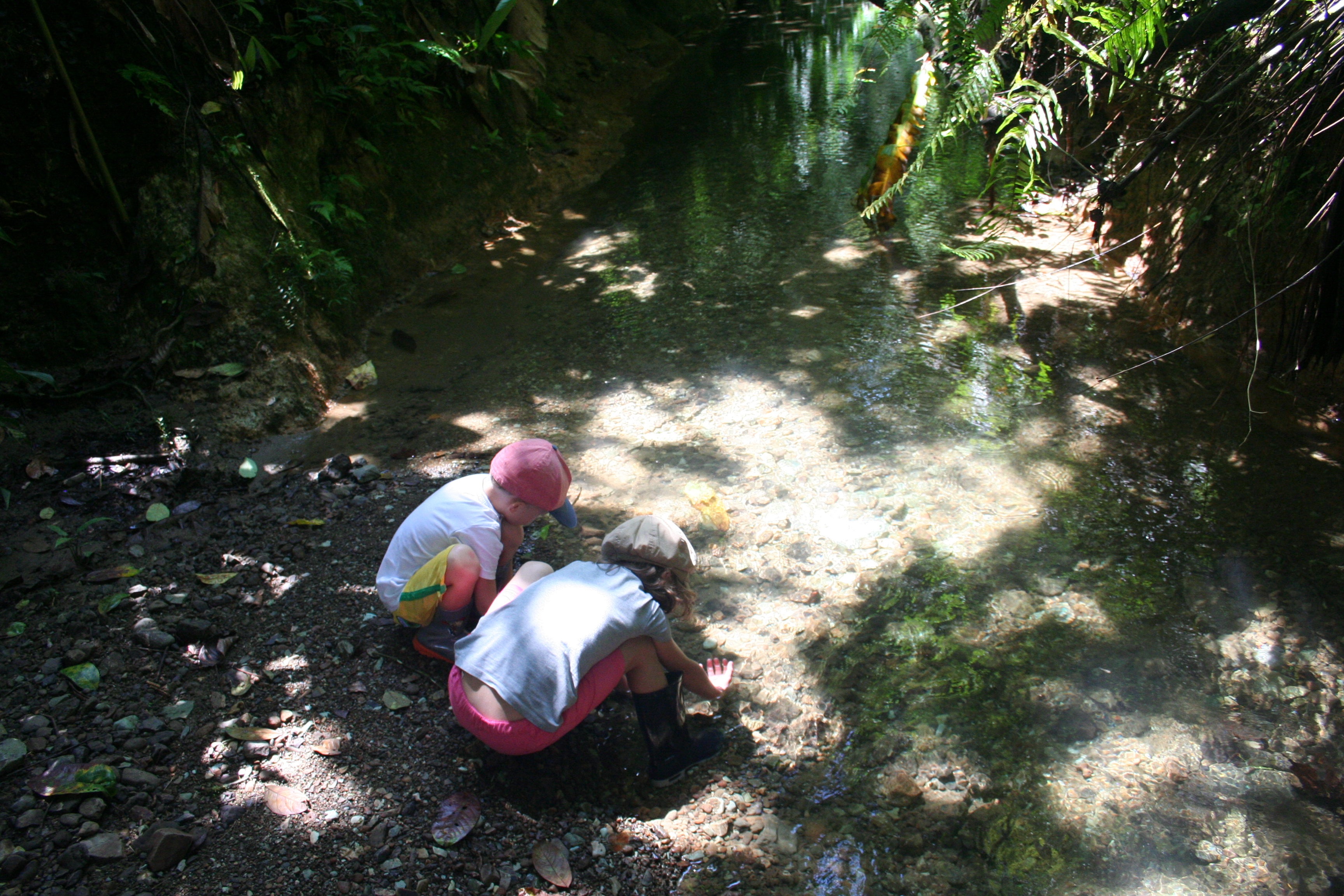
Spielen am Fluss hinter der Tropenstation:

Tropenstation:
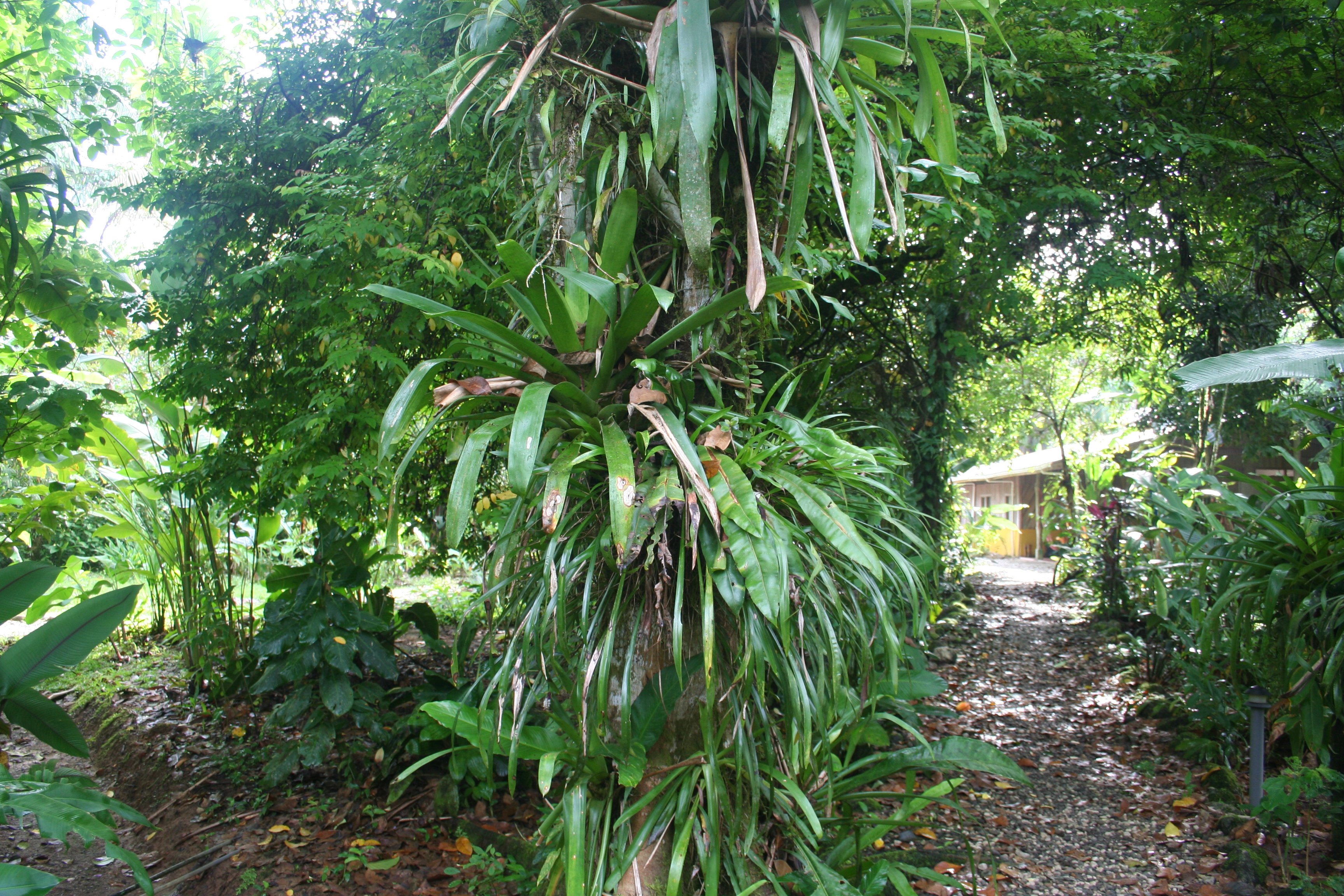
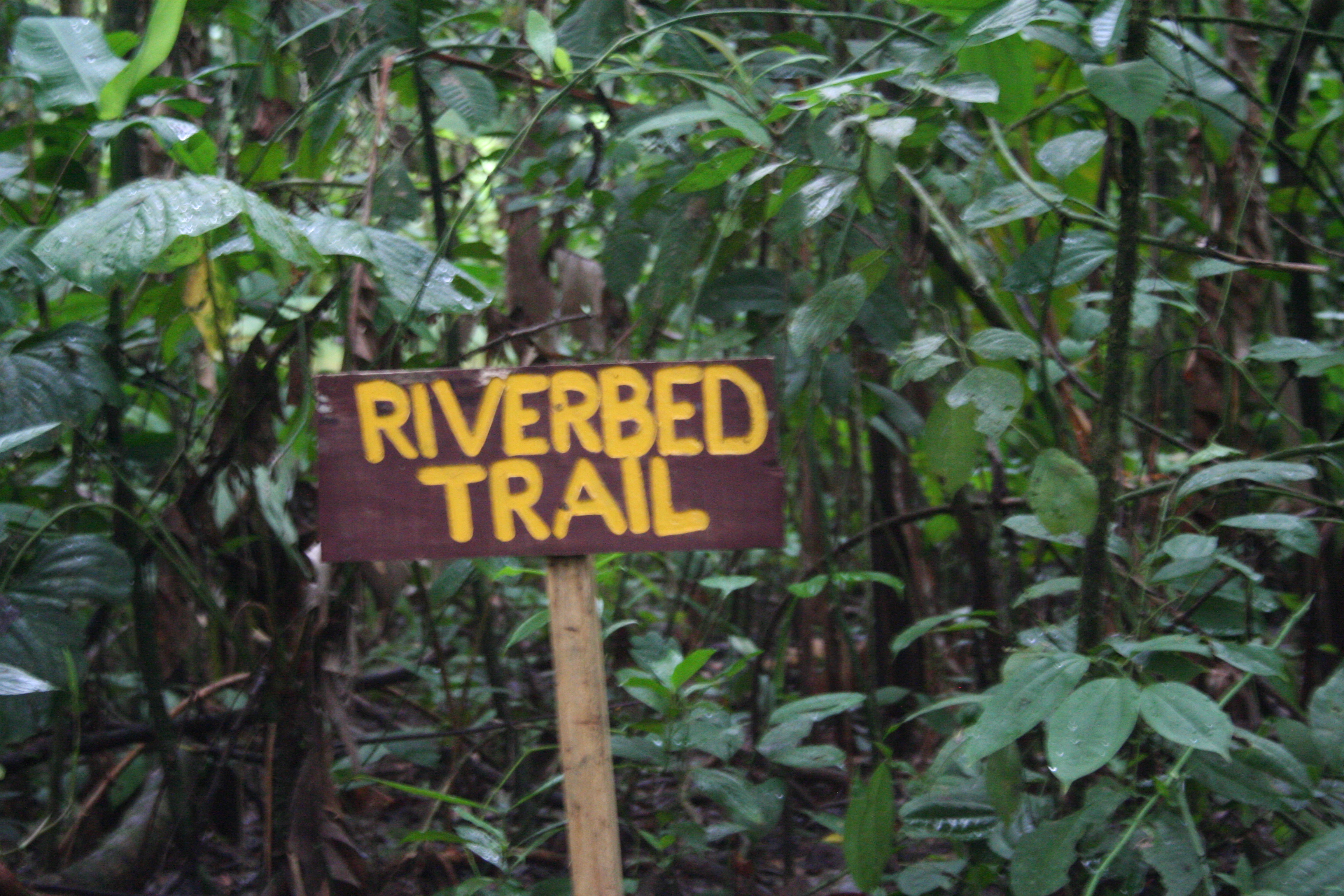
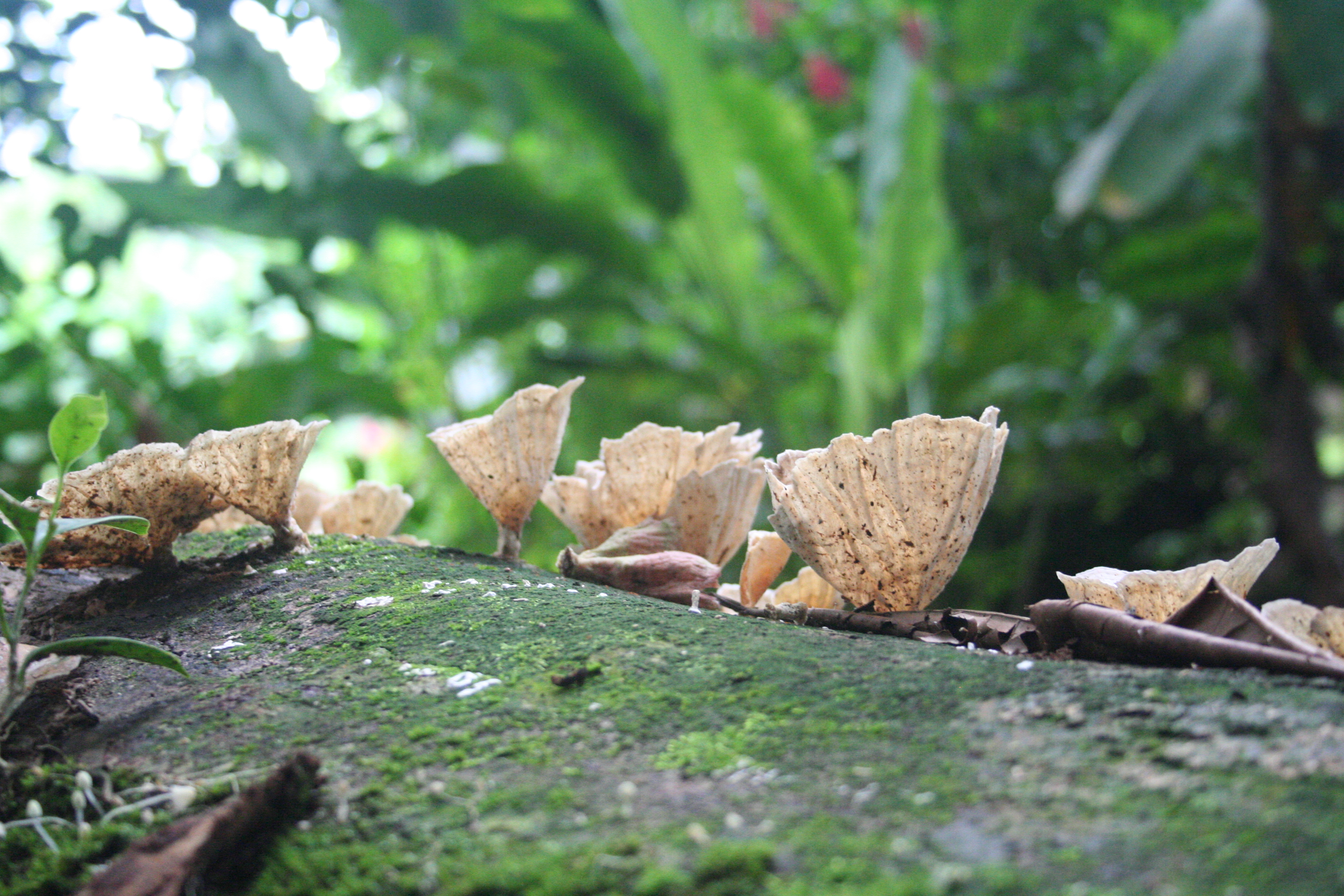
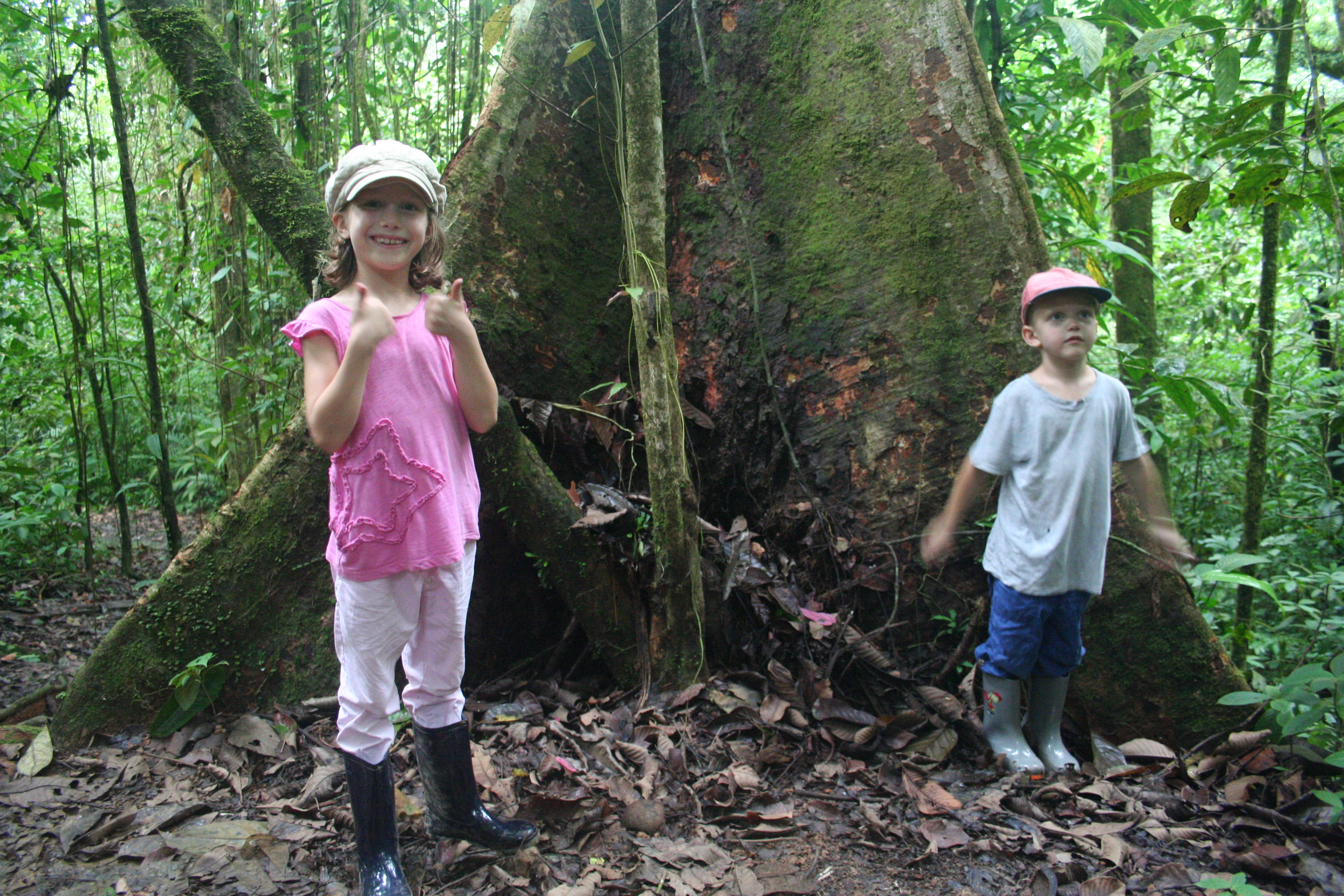
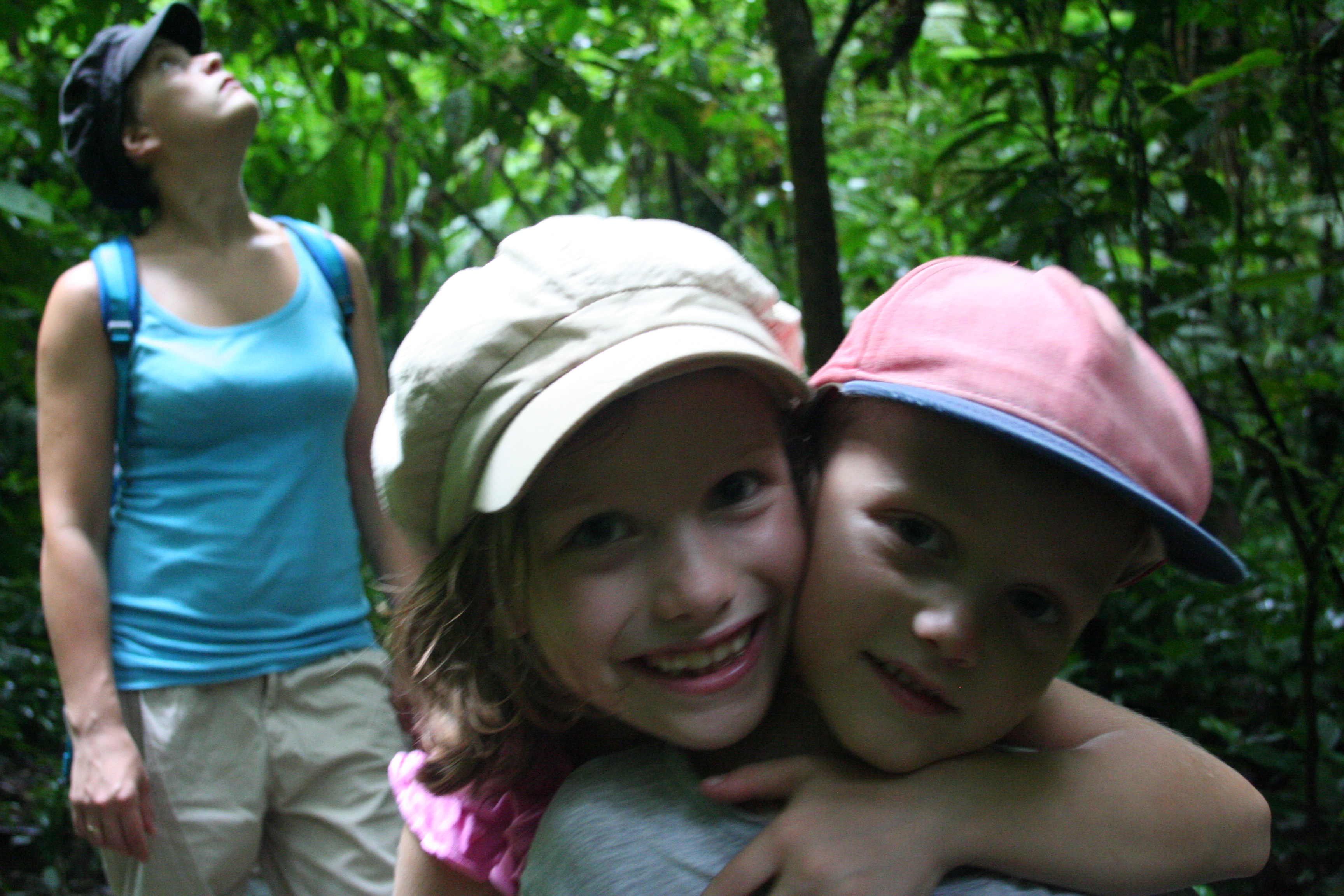
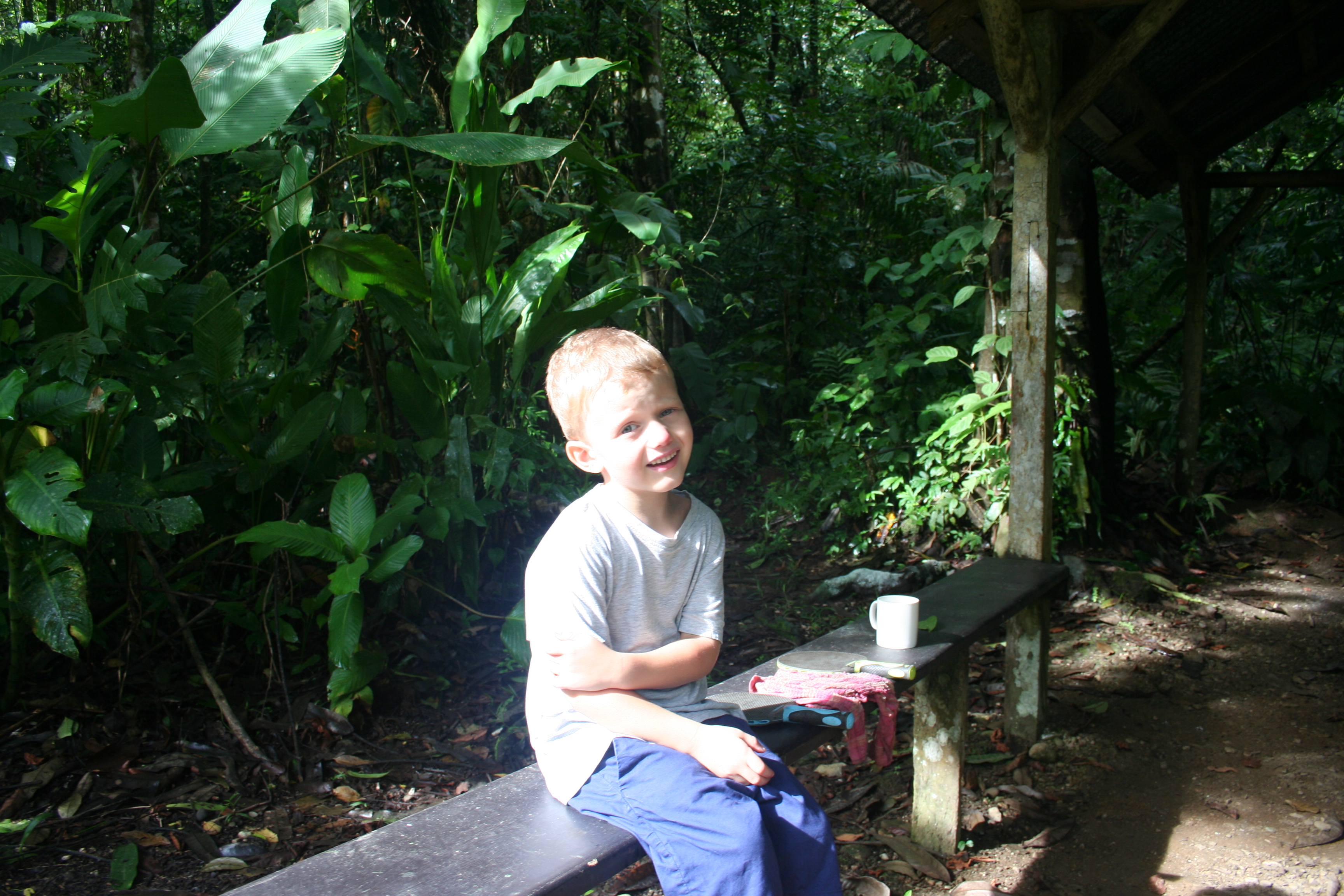
Wandern im Nationalpark:
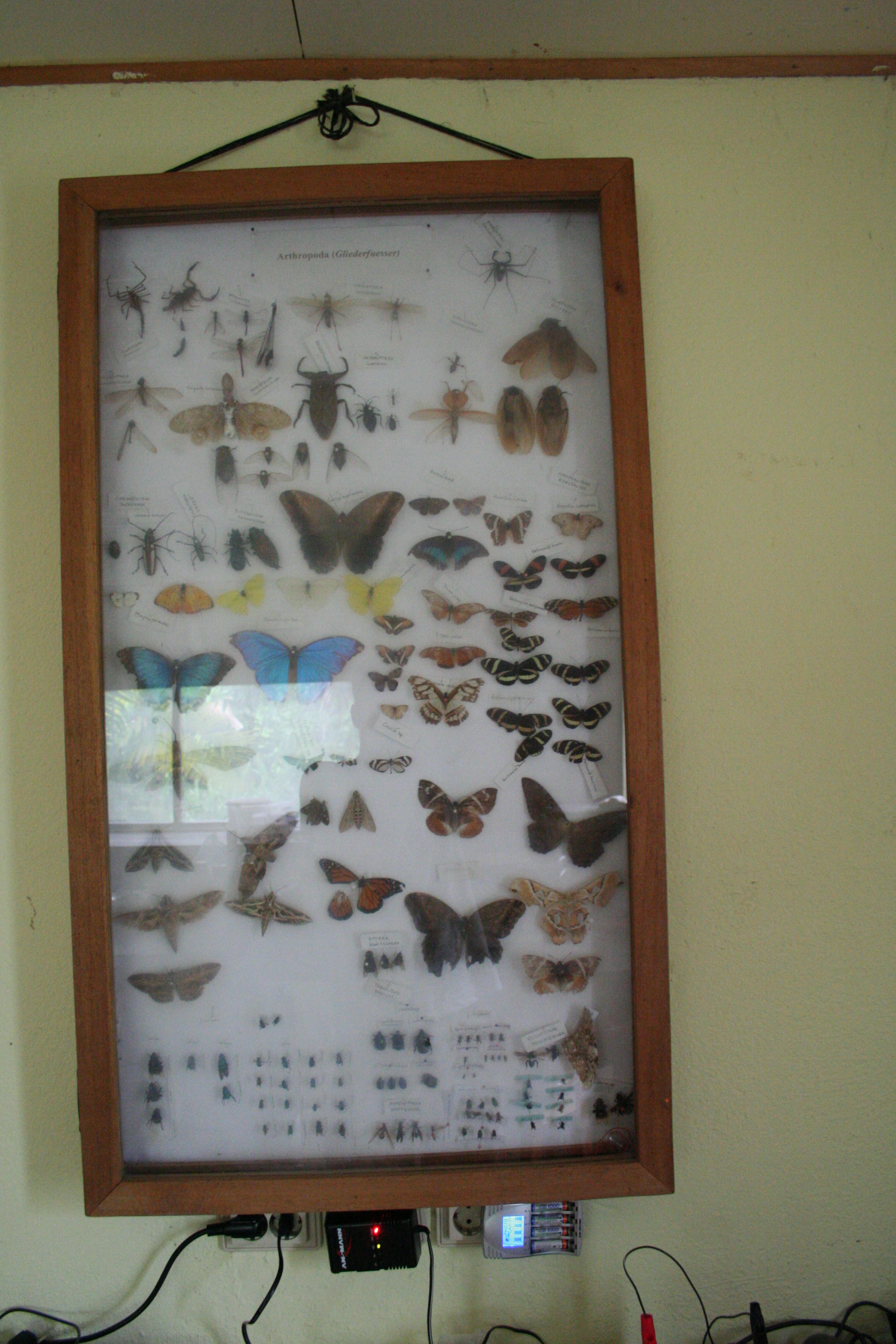
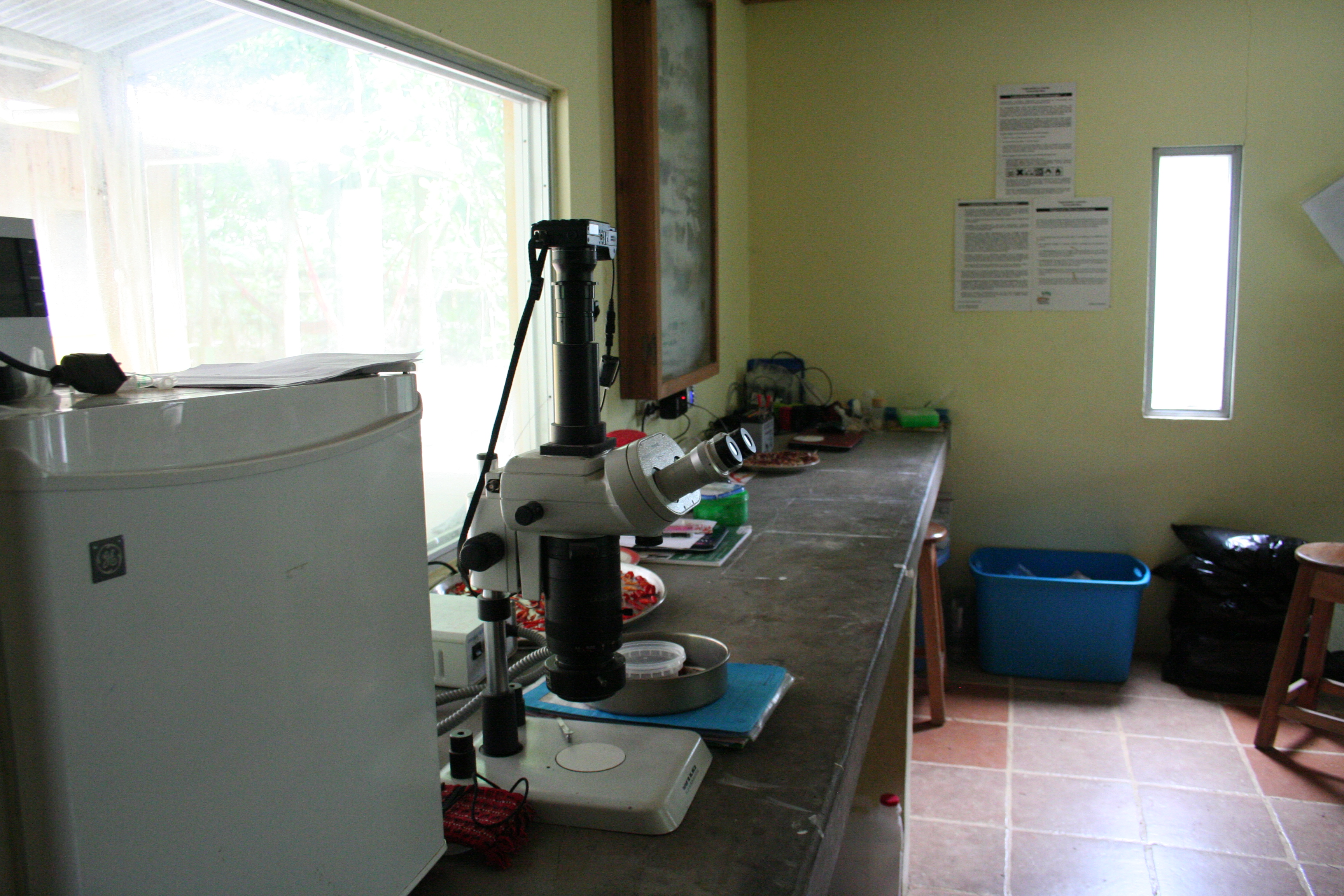
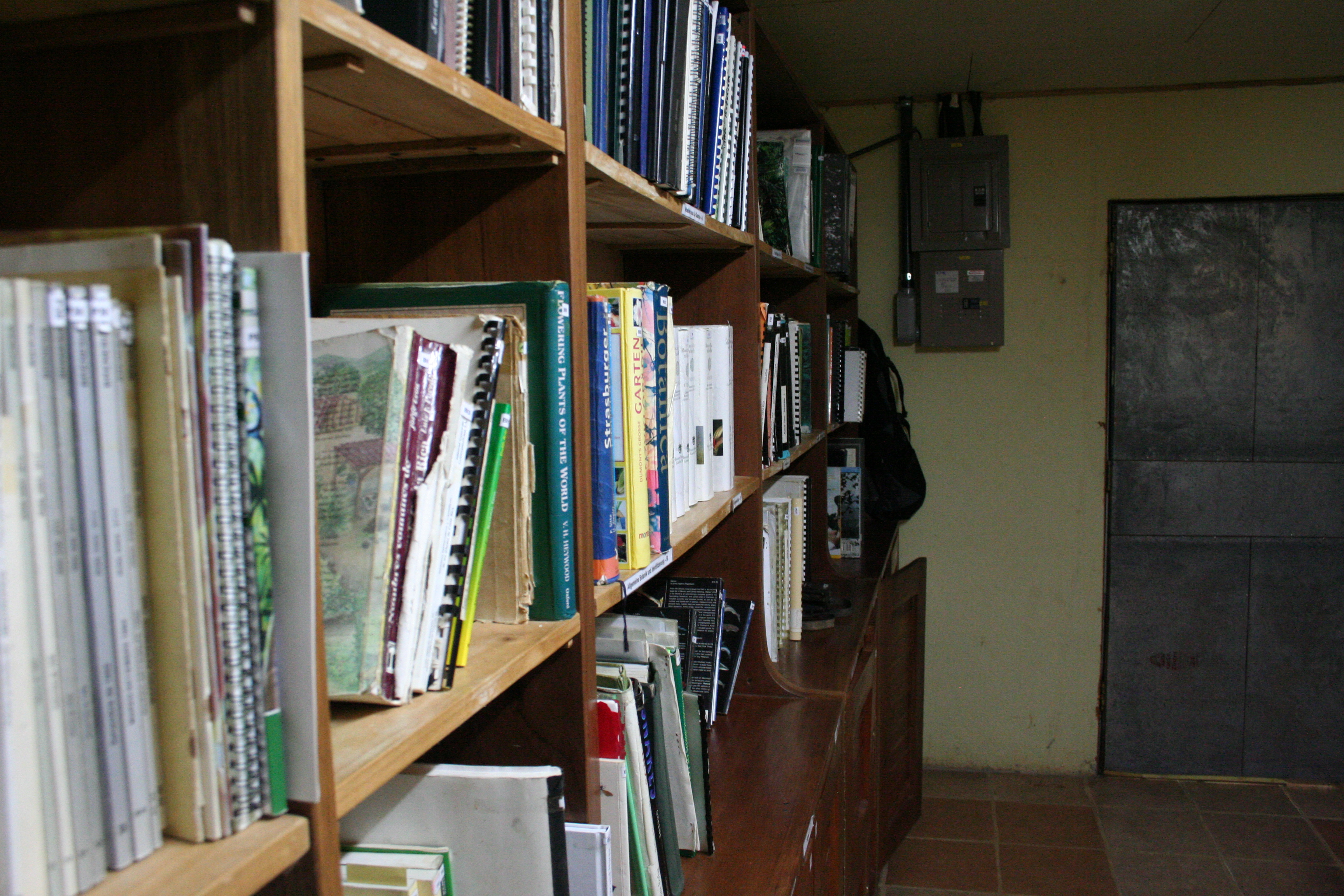
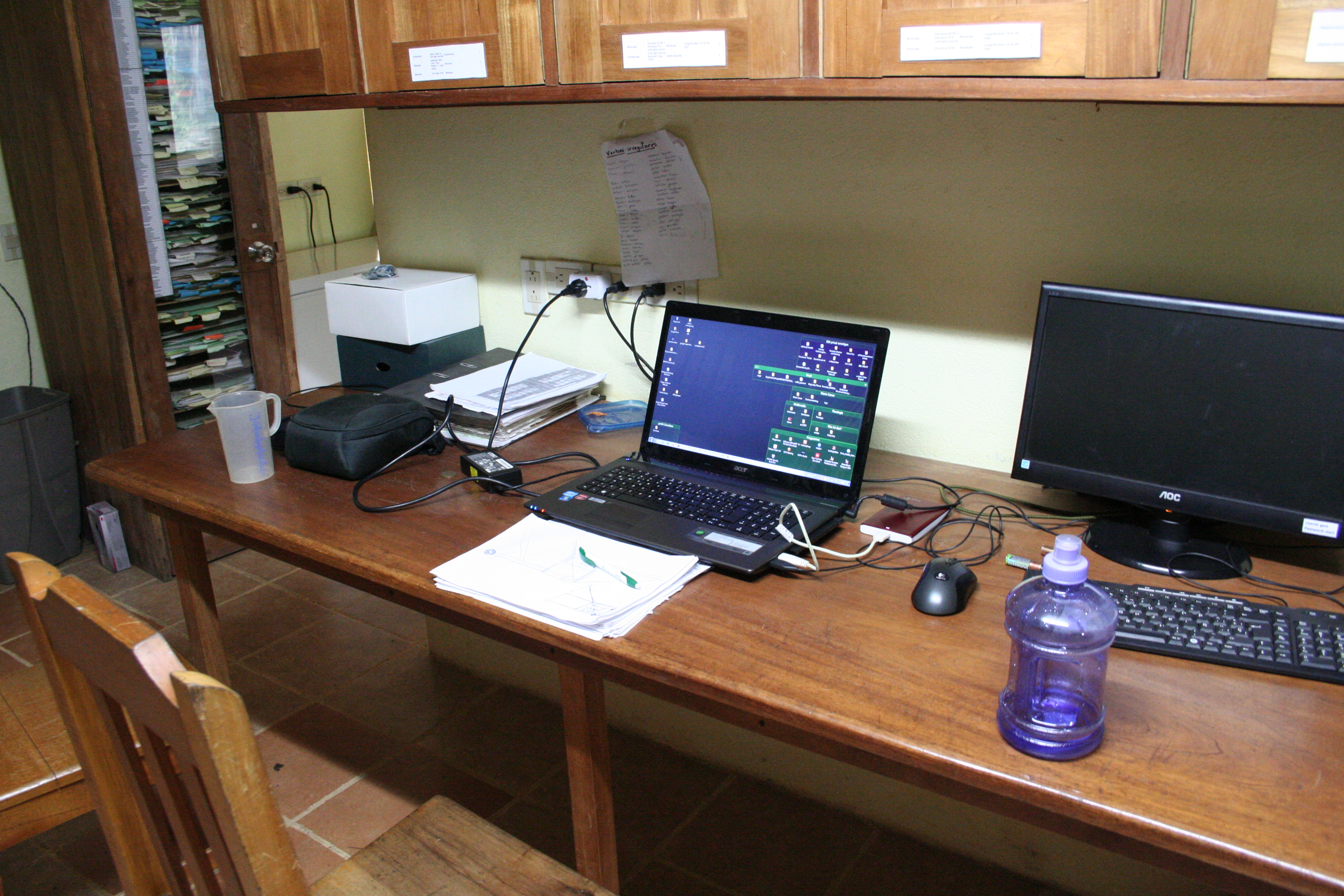
Forschungslabor in der Station:
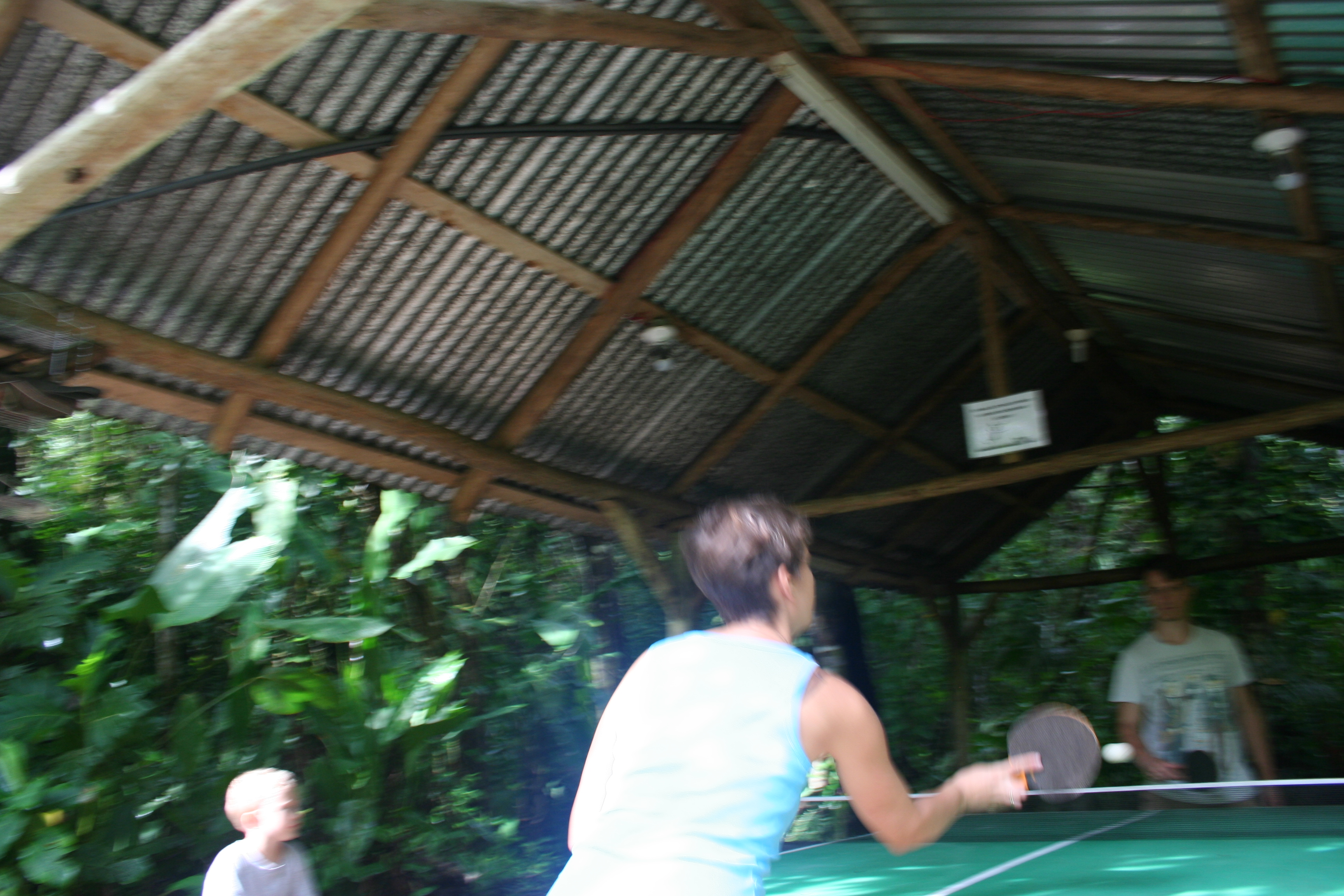
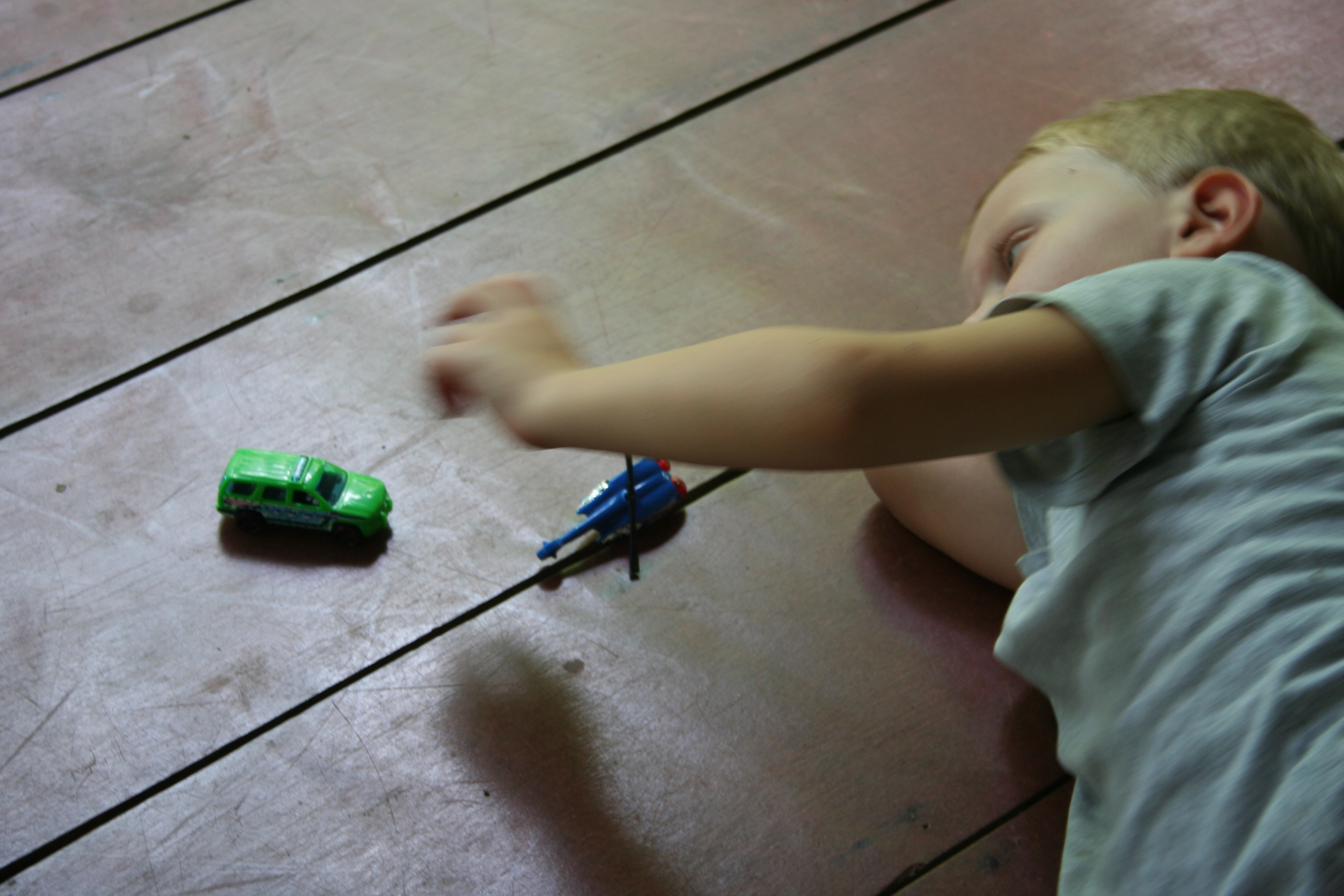
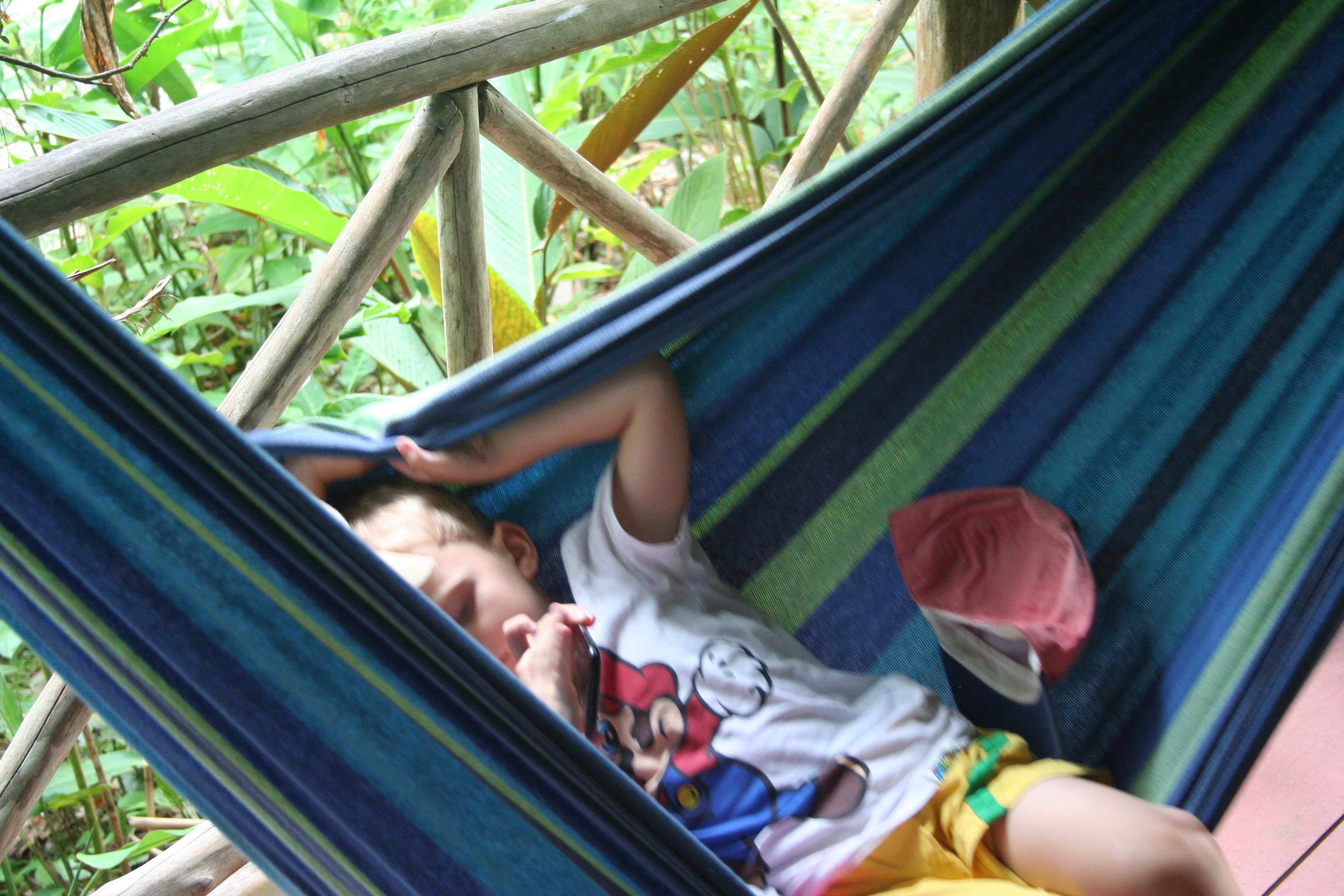
Spielen und Chillen nach den Ausflügen:
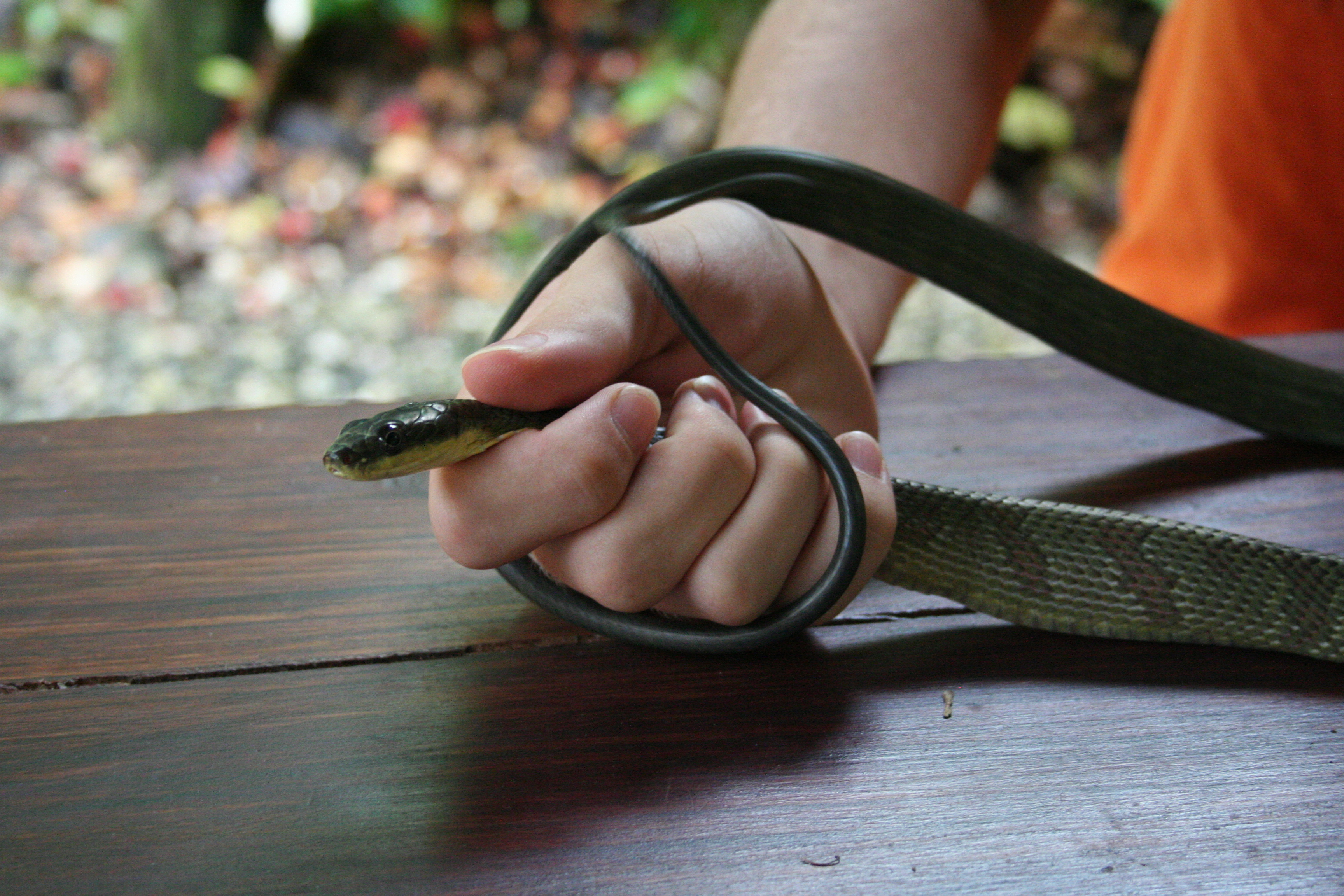
Schlange: lebendig, bissig, nicht giftig

Bootstour in den Golfo Dulce um Pelikane (und andere Vögel), Wale, Delfine und wunderbare Strände anzusehen:

Forschungsarbeit:
Birgit holt mit uns alle HOBO Regenkübeln ab oder liest die Daten aus.
Dabei muss man mal durch den Fluss hinfahren, beim Rückfahren steckenbleiben und dann 1h das Auto ausgraben. Oder man findet den Besitzer der Finca nicht an und bricht in seinen Garten ein.
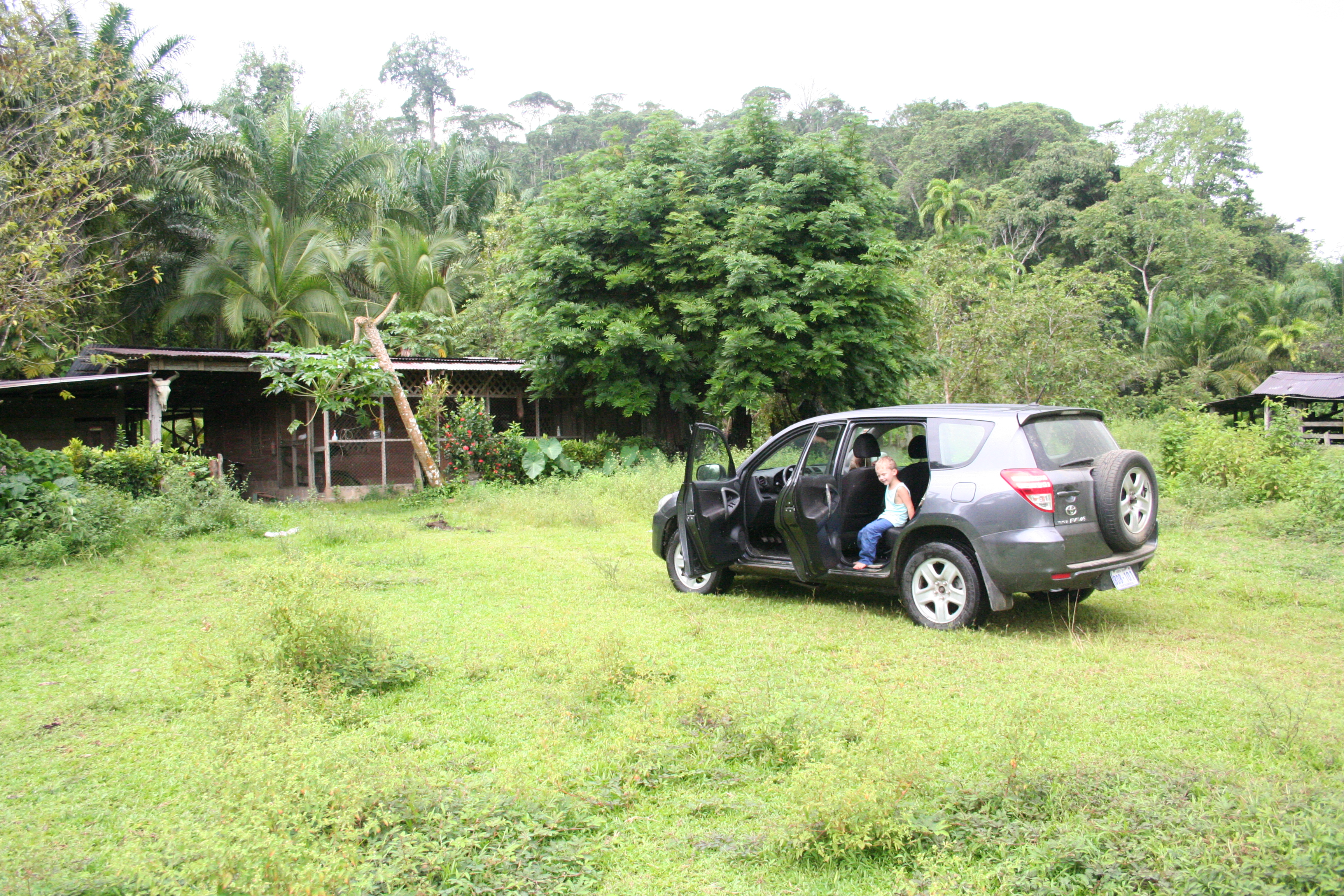

Adventure is awesome!
 COCORI ADVENTURE